Kidney (Renal) Cancer Biomarkers — Plain-English Patient Guide | XpertPatient
Biomarker Resource Center

Kidney (Renal) Cancer Biomarkers
What Patients Need to Know

VHL gene loss drives most clear cell kidney cancers by triggering a blood vessel growth signal — VEGF-targeting drugs like sunitinib and pazopanib are designed specifically to block it.

Reviewed by XpertPatient Medical Advisory · Updated June 2026 · Sources: NCI · ACS · ASCO · NIH/PMC

Why This Matters

Understanding kidney cancer biomarker results

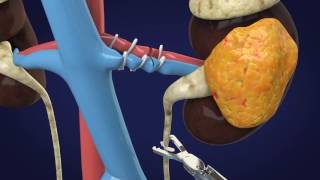
Most kidney cancers (clear cell type) share a common biological feature — a missing gene called VHL. Understanding this has led to powerful targeted drugs that block the pathway VHL normally controls.

Kidney cancer is no longer primarily treated with chemotherapy. Targeted drugs and immunotherapy combinations are now the standard — and biomarker testing helps your doctor choose the right combination for you.

What this means for you: Your doctor will use your risk score and PD-L1 result together to choose the best first-line combination for your kidney cancer.

The Biomarkers Your Doctor Tests

VHL VHL Gene Loss

🔍 Is the main ‘brake’ gene missing from your cancer cells?

VHL is a gene that normally keeps cell growth under control. When it’s lost — which happens in most clear cell kidney cancers — the cancer sends a signal to grow new blood vessels to feed itself. Drugs like sunitinib, pazopanib, and cabozantinib block this signal.

PD-L1 PD-L1 Expression

🔍 Can immunotherapy help activate your immune system?

PD-L1 testing helps guide the choice of immunotherapy combinations. Options like nivolumab + ipilimumab (Opdivo + Yervoy) or pembrolizumab + axitinib are now standard first-line treatments for advanced kidney cancer.

CA9 Carbonic Anhydrase 9 (CA9)

🔍 Is a protein marker present that confirms VHL loss?

CA9 is a protein that appears when VHL is lost. It’s used as a research marker and confirms the biology driving the cancer. New CA9-targeting therapies are in development.

Sources: ASCO  ·  NCI  ·  Kidney Cancer Association

Common Questions

Kidney (Renal) Cancer Biomarkers — Frequently Asked Questions

❓ Do I need chemotherapy for kidney cancer?

Standard chemotherapy does not work well for kidney cancer. Treatment is based on targeted drugs (like sunitinib, cabozantinib, or lenvatinib) and immunotherapy (like nivolumab or pembrolizumab). Your doctor will choose based on your IMDC risk score and other factors.

❓ What is the IMDC risk score?

The IMDC score uses six simple clinical factors — like time from diagnosis to treatment, hemoglobin, and calcium — to classify your risk as favorable, intermediate, or poor. Your risk group is one of the main factors determining which first-line treatment is best for you.

❓ What if I have non-clear cell kidney cancer?

About 20–25% of kidney cancers are non-clear cell types (papillary, chromophobe, collecting duct, etc.). These have different biology and may respond differently to treatment. Ask your doctor whether your tumor type has been specifically identified.

❓ Can biomarker testing help me find a clinical trial?

Yes. Comprehensive genomic profiling can find mutations — like PBRM1, BAP1, or mTOR pathway changes — that may match you to clinical trials targeting those specific alterations. Ask your oncologist or go to clinicaltrials.gov.

Know Your Biomarkers. Own Your Journey.

Free, survivor-led cancer education — built for newly diagnosed patients.

Visit the Kidney Cancer Center → Full Biomarkers Guide →

XpertPatient · Kidney (Renal) Cancer Biomarkers Patient Guide · Updated June 2026

For patient education only. Not medical advice. Always work with your oncology care team for treatment decisions.

ASCO  ·  NCI  ·  Kidney Cancer Association